Building Bridges: Bringing Transplant Care to Libya
February 7, 2026
I was approached by the Chief of the University of Minnesota Transplant Division about bringing transplant services to parts of the world where they simply don't exist. War, famine, and lack of resources keep these lifesaving procedures out of reach. Through my contacts within the Libyan government, I learned that Libya had a transplant program. They just didn't have enough donor organs available for transplant. They wanted to understand how to perform surgeries more efficiently and provide post-care with limited resources. They also wanted to understand and learn from some best practices. I connected the U of M physicians with my contacts and arranged a trip to Libya to explore how we might help.
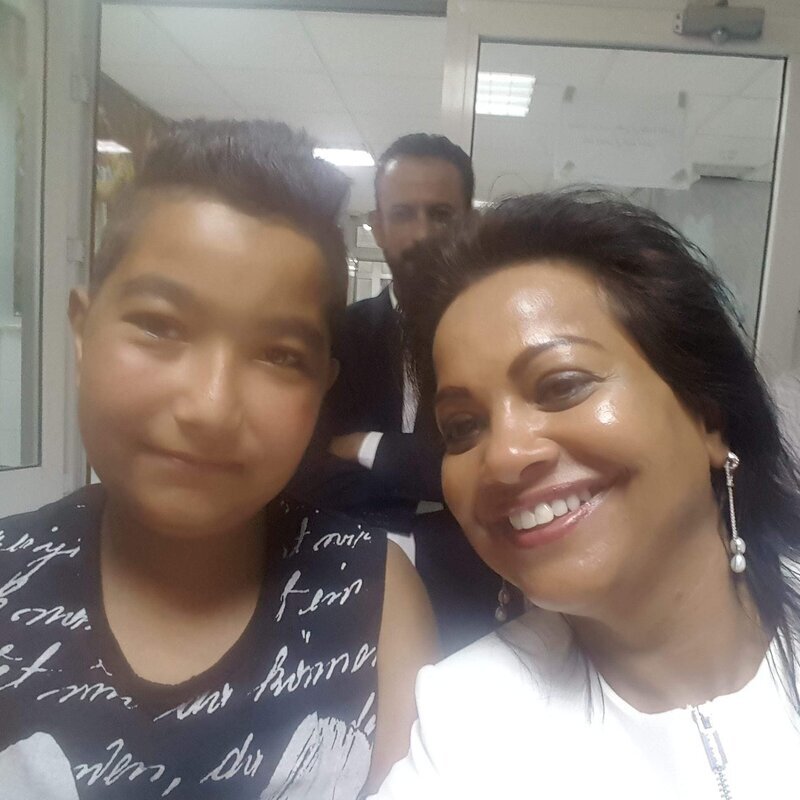
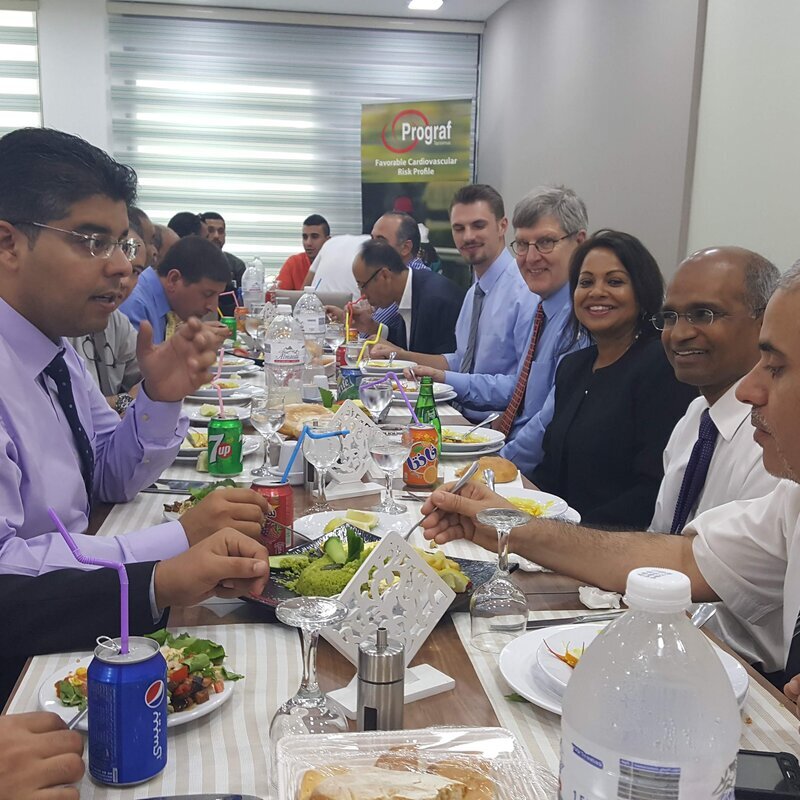
The challenges came immediately. I was a female working with men who seemed uncomfortable with that reality. But I earned the trust of both the U of M physicians and the Libyan government administrators. We worked through the gender barriers together, as the first image shows. The second image breaks my heart every time I see it. That's me with a young boy in Libya who needed a kidney transplant. He had been sick his entire life. Without a transplant, he would die. This photo was taken around 2020. Despite our best efforts, civil unrest and constant violence made it impossible to establish the program. I never learned his name. I don't know what happened to him, but I fear the worst.
What I learned stays with me. Trust builds bridges across gender, country, and ethnicity. It works the same whether you're connecting people across Minnesota or across continents. The transplant program failed, but the lesson didn't. Building trust takes time and emotional work. Sometimes it's enough to create change. Sometimes it isn't. But it's always worth trying.